Cigar Tasting: A Sensory Journey
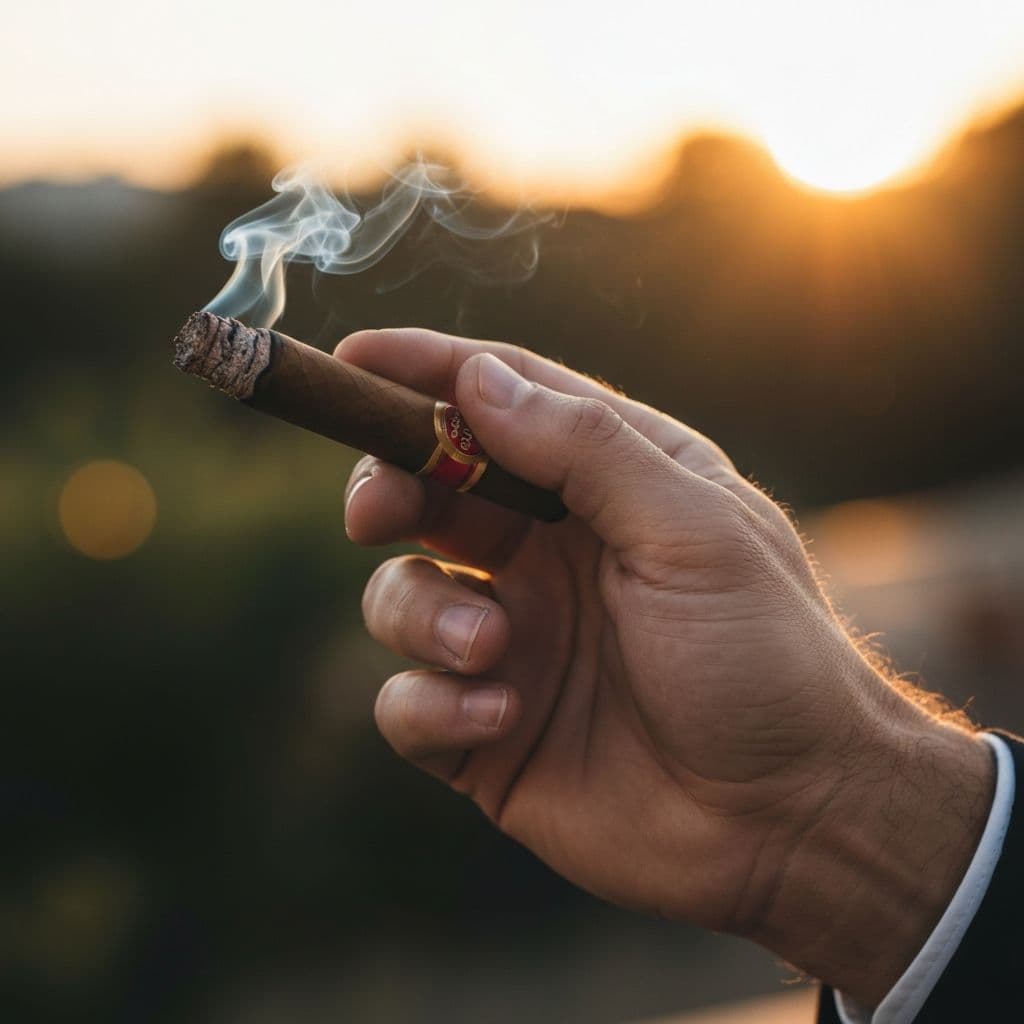
Cigar tasting is more than just smoking; it is a full sensory experience involving flavors, aromas and atmosphere. Similar to wine, cigars deliver evolving opening, middle and finish notes that require calm concentration to appreciate fully.
Required Tools
Prepare the following tools before tasting a cigar:
- Cutter: Used to trim the cigar cap, available in three styles: straight cut, double guillotine and punch cut. The straight cut is the most versatile option.
- Jet Flame Lighter: Butane lighters or cedar matches are recommended, as their clean flame will not alter the cigar’s natural flavor.
- Clean Ashtray: Ceramic or crystal ashtrays are ideal; metal ashtrays may carry unwanted odors.
Cutting Techniques
The cutting position is critical. The cap is the rounded dome slightly raised above the wrapper. Cut 1 to 2 millimeters below the curve of the dome to preserve the cap structure and intact wrapper edge. Avoid cutting too deep, which will cause the wrapper to unravel.
The Art of Lighting
Lighting a cigar has two stages: Toasting and Lighting. Tilt the cigar at roughly 45 degrees, hold it 1 to 2 centimeters above the flame and rotate slowly to evenly warm the foot. Once a black ring forms around the foot, bring the flame closer, take gentle draws while turning the cigar until the entire foot is evenly lit.
Three Stages of Flavor: Opening, Middle and Finish
A cigar’s flavor evolves as it burns:
- Opening (First one-third): Lightest profile, dominated by soft herbal and subtle floral aromas.
- Middle (Second one-third): Flavors grow richer, unfolding notes of leather, nuts, coffee and cream — this is the prime stage to experience the cigar’s complex layers.
- Finish (Final one-third): Tar buildup intensifies the flavor, bringing out spicier or woody undertones.
Beverage Pairing Recommendations
Single malt whisky is a classic match for Cuban cigars, as their intricate flavor profiles complement one another perfectly. Aged rum and Cuban coffee also pair exceptionally well. Avoid strong tea, harsh spirits or spicy food during tasting, as they will overpower the cigar’s delicate subtle notes.
Tasting Etiquette
Never blow out a cigar; let it extinguish naturally, since blowing creates unpleasant off-notes. Take one draw every two minutes to maintain a steady burn, allowing the cigar to smolder properly between pulls rather than suffocate. Choose a quiet, well-ventilated space free of foreign odors for tasting.